
Introduction
As demand for natural wellness, aromatherapy, and plant-based products accelerates, Lemongrass Hydrosol and Lemongrass Essential Oil are increasingly evaluated side by side by buyers, formulators, and distributors. While both originate from the same plant and are produced through steam distillation, their composition, strength, application, and safety profile differ significantly.
This guide provides a decision-ready comparison to help you select the right product based on use case, volume requirement, and end application.
What Is Lemongrass Hydrosol?
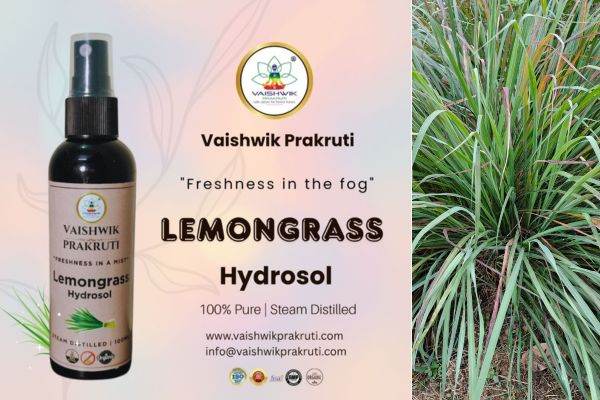
Lemongrass Hydrosol, also referred to as lemongrass floral water, is the aromatic water collected during the steam distillation process of lemongrass. It contains trace amounts of essential oil molecules suspended in distilled water, making it mild, balanced, and user-friendly.
Key Characteristics
-
Water-based aromatic distillate
-
Naturally mild and non-irritating
-
No dilution required
-
Suitable for frequent and direct use
Common Applications
-
Skin toners and facial mists
-
Aromatherapy sprays
-
Natural room fresheners
-
Cosmetic and personal care formulations
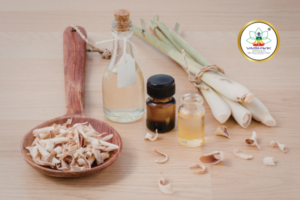
Lemongrass Essential Oil – a highly concentrated aromatic extract used in controlled and professional applications.
What Is Lemongrass Essential Oil?
Lemongrass Essential Oil is the highly concentrated oil fraction extracted during steam distillation. It contains potent aromatic compounds and must be handled with precision.
Key Characteristics
-
Oil-based, highly concentrated
-
Requires dilution before topical use
-
Strong aroma and therapeutic intensity
-
Used in small quantities
Common Applications
-
Aromatherapy diffusers
-
Massage oils (after dilution)
-
Soap, candle, and cosmetic manufacturing
-
Pharmaceutical and wellness formulations
Lemongrass Hydrosol vs Essential Oil – Direct Comparison
🔹 Concentration
-
Essential Oil: Extremely concentrated; a few drops are sufficient
-
Hydrosol: Low concentration; gentle and balanced
🔹 Safety & Daily Use
-
Essential Oil: Must be diluted; not suitable for direct daily application
-
Hydrosol: Safe for direct, repeated use without dilution
🔹 Application Volume
-
Essential Oil: Used in millilitres or drops
-
Hydrosol: Used in sprays, bottles, and bulk volumes
🔹 Target Users
-
Essential Oil: Professionals, formulators, aromatherapists
-
Hydrosol: End consumers, skincare users, wellness brands
🔹 Cost & Accessibility
-
Essential Oil: Higher cost due to concentration
-
Hydrosol: Cost-effective for daily and large-scale use